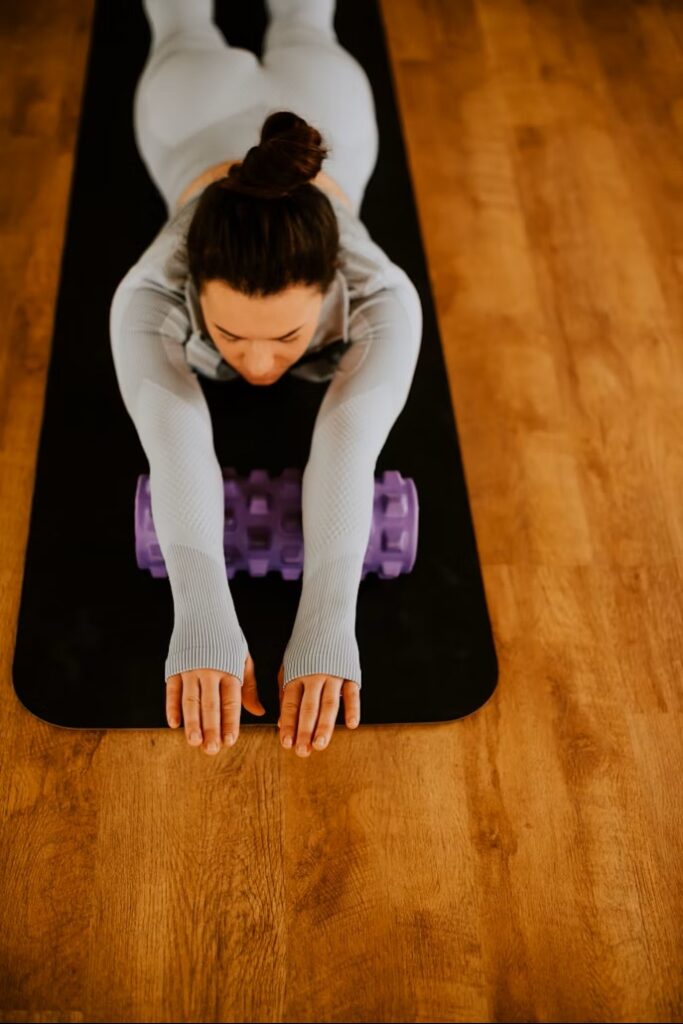
As we age, maintaining movement and strength becomes more than an aesthetic goal. Flexibility, joint health, and muscle mass are key to staying independent, active, and resilient. Research shows that our bodies naturally lose muscle and joint mobility over time, but understanding the mechanisms and taking action can dramatically improve quality of life.
Flexibility is not just about touching your toes or performing advanced yoga poses. It reflects the health of your muscles, tendons, and joint capsules, and it allows the body to move efficiently with less strain. Regular stretching and mobility work help maintain the space within joints, reduce wear and tear, and prevent compensatory movements that can lead to pain or injury. According to studies published in the Journal of Aging and Physical Activity, consistent flexibility training can preserve range of motion in older adults and improve balance, coordination, and posture.
Muscle mass begins to decline naturally after the age of 30, with an accelerated loss around 40 to 50 years old. On average, adults can lose between 3 to 5 percent of muscle mass per decade, and this rate increases with sedentary lifestyles. Muscles are not just for strength; they serve as a metabolic reservoir, supporting bone health, glucose metabolism, and overall mobility. This is why incorporating resistance or weight training after 40 is essential. Studies in Medicine & Science in Sports & Exercise show that even moderate strength training can increase muscle size and functional capacity in middle-aged and older adults, reducing the risk of falls, fractures, and metabolic disorders.
Combining flexibility and strength training has a synergistic effect. Flexible muscles and well-lubricated joints allow for safer and more effective lifting, while stronger muscles protect joints from excessive strain and improve posture. Even small, consistent interventions—like two to three sessions per week of strength work and daily mobility exercises—can produce measurable results within months.
The key is to approach the body with awareness and respect. Stretching should not be rushed or forced, and resistance exercises should prioritize form over load. Think of your muscles as a reserve, your joints as hinges that need space, and your overall body as a system that thrives when movement is varied, consistent, and intentional.
Incorporating these practices after 40 is not about competing or achieving perfect flexibility; it is about longevity, independence, and vitality. The body may change with age, but with conscious care, it remains capable, resilient, and ready for life’s daily demands.
How do you care for your flexibility and strength every day?